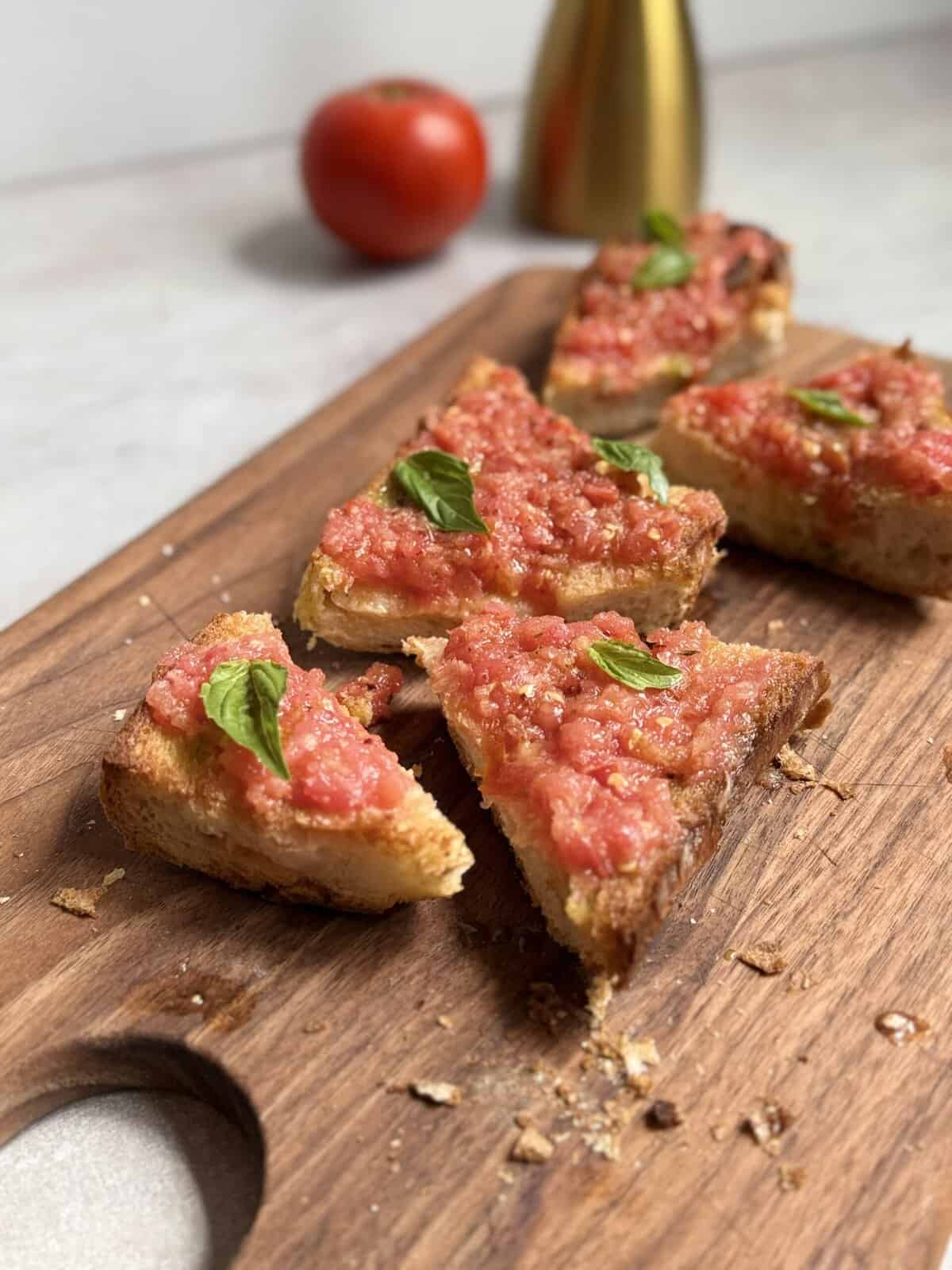
Unveiling the Enduring Charm of Pan con Tomate: Spain's Simplest Delight
In the culinary landscape of Spain, where vibrant flavors and rich traditions abound, sometimes the most profound pleasures stem from the simplest combinations. Enter pan con tomate, a dish so humble in its origins, yet so utterly captivating in its taste that it has become a staple across the country, especially in its birthplace, Catalonia. More than just bread with tomato, this iconic Spanish fare is a testament to the power of quality ingredients and straightforward preparation, transforming everyday elements into an unforgettable culinary experience.
Whether you're yearning for a sun-drenched summer breakfast, a quick and satisfying snack, or an authentic tapa to kick off an evening meal, pan con tomate delivers a burst of fresh flavor that belies its minimal ingredient list. It’s a dish that invites you to slow down, savor each bite, and appreciate the intrinsic deliciousness of nature's bounty. Let's delve into the heart of this beloved Spanish tradition, exploring its heritage, its essential components, and how you can easily recreate its magic in your own kitchen.
Pan con Tomate: A Taste of Catalan Heritage
While known throughout Spain as pan con tomate (literally "bread with tomato"), this traditional dish finds its roots deep in the northeastern region of Catalonia, where it is proudly called Pa amb Tomàquet. This autonomous community, with its unique language and distinct culture centered around the vibrant city of Barcelona, has gifted the world many culinary treasures, and this tomato bread stands out for its elegant simplicity.
The concept is beautifully straightforward: toasted bread, invigorated with the gentle rub of fresh garlic, then crowned with ripe, juicy tomatoes, a drizzle of exquisite olive oil, and a sprinkle of sea salt. Historically, it was likely a way to soften stale bread and make it more palatable, transforming a humble necessity into a cherished custom. Today, it graces tables from rustic farmhouses to chic urban eateries, a constant reminder that the best food often requires nothing more than respect for ingredients and a touch of genuine care.
Though the Catalan version, Pa amb Tomàquet, is the original, variations and names exist across Spain. You might hear it referred to as pan tumaca in other areas. Regardless of the name, the core philosophy remains: celebrate the fresh, seasonal flavors in their purest form. For a deeper dive into its regional nuances, explore our article on Taste of Catalonia: Your Guide to Authentic Pan con Tomate.
The Undeniable Power of Quality: Why Ingredients Truly Matter
When a recipe boasts a mere three or four primary components, the integrity of each ingredient becomes paramount. This is especially true for pan con tomate. There's no complex sauce or elaborate cooking technique to mask subpar produce; instead, each element shines independently and in harmony with the others. Investing in the best possible ingredients isn't just a recommendation here; it's a fundamental requirement for achieving that truly unforgettable taste.
The Hero: The Ripe Tomato
The star of the show, without a doubt, is the tomato. When tomatoes are at their seasonal peak – bursting with sun-ripened sweetness and ample juice – this dish transcends mere bread and fruit. The variety of tomato matters less than its condition: a large, ripe, heavy-for-its-size tomato is what you're after. During peak summer months, when tomatoes are abundant and flavorful, pan con tomate becomes a revelation. The natural sugars and acids are perfectly balanced, creating a vibrant, refreshing pulp that forms the heart of the dish.
The Foundation: Crusty Bread
A good piece of bread is the canvas for your tomato masterpiece. Opt for a rustic, crusty loaf – sourdough, a traditional baguette, or a country-style white bread works wonderfully. The key is its texture: a robust crumb and a firm crust that can withstand toasting without crumbling, and importantly, absorb the tomato juices without becoming soggy. Thick slices are preferred, as they provide a generous base to hold the flavorful tomato puree and garlic notes. Toasting the bread lightly, either on a grill, in a toaster, or a dry pan, adds a crucial textural contrast and a slight smoky flavor that enhances the overall experience.
The Enhancers: Garlic, Olive Oil, and Sea Salt
- Fresh Garlic: A single, fresh garlic clove is all you need. Rubbed judiciously over the warm, toasted bread, it imparts a subtle yet unmistakable aromatic layer that awakens the palate without overpowering the delicate tomato flavor. The warmth of the bread helps to release the garlic's essential oils, infusing the surface with its pungent charm.
- Extra Virgin Olive Oil: This is not the time for just any olive oil. A high-quality extra virgin olive oil is absolutely crucial. Its fruity, sometimes peppery, and often herbaceous notes add depth, richness, and a silky mouthfeel. As the reference context beautifully puts it, "A good olive oil has multiple dimensions." Take a moment to taste your olive oil before using it; its quality will significantly impact the final flavor profile of your pan con tomate. It acts as a bridge, harmonizing the flavors of the tomato and garlic.
- Flaky Sea Salt: A final sprinkle of flaky sea salt (like Maldon) is more than just seasoning; it’s a flavor amplifier. Its delicate crunch and clean salinity draw out the natural sweetness of the tomato, making every bite sing.
Crafting Your Perfect Pan con Tomate: A Simple Method
The beauty of pan con tomate lies in its flexible preparation. While some purists prefer rubbing the tomato directly onto the bread, a more common and often preferred method involves pureeing or grating the tomato. This ensures a consistent, generous layer of tomato flavor.
Step-by-Step Preparation:
- Prepare Your Bread: Slice your chosen crusty bread into generous, thick pieces. Toast them until golden and slightly crisp. You can use a toaster, a dry skillet, or even a grill for added char. The warmth is important for the next step.
- Garlic Infusion: Once toasted, take a peeled fresh garlic clove and rub it gently but firmly across the surface of each warm slice of bread. The heat helps the bread absorb the garlic's essence without leaving a raw, overpowering taste. Adjust the amount of rubbing to your preference for garlic intensity.
- Tomato Application: This is where you have options:
- The Grate Method: Cut a large, ripe tomato in half crosswise. Using a box grater, grate the tomato flesh over a bowl, discarding the skin. This yields a wonderfully pulpy, juicy consistency.
- The Puree Method: Roughly chop your ripe tomato and place it in a blender or food processor. Pulse until you achieve a rustic puree – you don't want it completely smooth like a soup, but rather with some texture. If you don't have a blender, an immersion blender or even mashing vigorously with a fork can work.
- The Rub Method (Traditional): For a more rustic, purist approach, simply cut your ripe tomato in half and rub the cut side directly onto the garlicked toast, squeezing gently to release the juices and pulp. This creates a lighter coating.
- Season and Finish: Drizzle each piece of pan con tomate generously with your high-quality extra virgin olive oil. Finish with a delicate sprinkle of flaky sea salt.
For more quick and easy Spanish dishes like this, remember that Pan con Tomate: The Simple Spanish Dish Perfect for Summer Flavor is a fantastic starting point for any home cook.
Serving Suggestions and Expert Tips
The versatility of pan con tomate is another reason for its enduring appeal. It transitions seamlessly from one meal to the next, always fitting the occasion.
Serving Ideas:
- Breakfast: A classic Spanish breakfast, often enjoyed with coffee.
- Tapa: Serve alongside other Spanish favorites like jamón serrano, olives, or a simple cheese plate.
- Snack: A perfect afternoon pick-me-up that’s both light and satisfying.
- Light Lunch/Dinner: Pair with a green salad or some grilled vegetables for a complete, healthy meal.
- Appetizer: A fresh and inviting start to any dinner party.
Tips for Perfection:
- Seasonality is Key: While you can technically make pan con tomate year-round, its true magic awakens with peak-season summer tomatoes. If making it off-season, consider using very ripe vine tomatoes and allowing them to come to room temperature to maximize flavor.
- Don't Rush the Toasting: A well-toasted, sturdy bread provides the best base. You want it firm enough to hold the tomato without immediately dissolving.
- Garlic Preference: Adjust the garlic intensity by how much you rub. For a milder touch, rub less or use the cut side of a garlic clove that has been cut horizontally to expose more surface area.
- Serve Immediately: Pan con tomate is best enjoyed fresh, right after assembly. The bread can become soggy if left too long.
- Experiment with Olive Oil: Just like wine, olive oils have distinct profiles. Try a few different high-quality extra virgin varieties to discover your favorite for this dish.
Conclusion
Pan con tomate is more than just a recipe; it's an ode to simplicity, a celebration of fresh produce, and a delicious journey into Spanish culinary tradition. By focusing on exceptional ingredients and following a few straightforward steps, you can recreate this iconic Spanish tomato bread in your own home, bringing a taste of Catalonia to your table. Whether you're a seasoned chef or a kitchen novice, the ease and vibrant flavors of pan con tomate are sure to captivate and delight, proving once again that sometimes, the simplest things are truly the most satisfying.
